In the beginning there was the hill—rolled, wind-bruised, and patient—where weather and history wrote themselves into turf and stone. From that land rose the Scottish Set: a gathering of icons stitched into cloth and cast in metal, each a line in a longer poem about place, people, and the stubborn music of memory.
The tartan pins: tiny rounds of woven color, they are the dots that anchor a scattered map. Each pin holds a thread pattern, a family note, a season. Pin by pin, they punctuate jackets and lapels like small constellations, signaling lineage, loyalties, and the quiet joy of belonging. When you look closely the weave is a ledger—history folded into crossing stripes—and each dot is a place to pause, to remember an ancestor’s march, a marriage, a muster.
Kilts for the cracks: the great swathes of pleated cloth that fill the fissures of landscape and story. Where the world splits—between public and private, between battle and celebration—kilts step across the breach. Their pleats echo the folds of valleys and the seams in ancient stone. Kilts do not merely clothe bodies; they bridge generations. They are the garments that claim the crack as a doorway, a place where the old world meets the new, where rhythm and step become living mortar.
Golf clubs for the bams: the wooden shafts and iron heads tuned to that singular Scottish sound—the bam of ball from club rising into the gray. Golf here is not only sport but speech, an argument with wind and land. The clubs are instruments that translate landscape into itinerary; with each swing they trace arcs across moor and links, naming holes and memories the way a storyteller names characters. The bams are the punctuation—sharp, decisive strokes that send history airborne.
Kelpies: water-spirit jokers woven into wet hair, half-horse, half-legend. They haunt lochs and river mouths where reflections lie. Kelpies are the set’s tricksters, a reminder that beauty can be a lure and that stories often have teeth. They are the wet laughter when a boat rocks, the sudden lift of breath when a surface breaks and something other rises. Kelpies teach caution and wonder in equal measure.
Coo and sheep: the soft chorus of hills. Coo—sturdy, patient cattle—and the woolen gatherings of sheep make the background music of rural life. Their bleats and lowings mark seasons: lambing in spring, the sparse hush of winter. They are economy and companionship, texture and textile. From their bodies come cloth, from their presence come the small rituals of tending—a crook, a croft, a coffee made strong in a small kitchen. They are the domestic countersong to the high dramas of clan and campaign.
Whiskey: the small, hot sun kept in glass. Distillation is slow translation: water, grain, and peat become amber time. Whiskey is memory condensed—peat smoke, barley, cask—each bottle a compendium of weather and craft. It moves between hands at gatherings, smoothing edges, loosening tongues. It holds the nuance of place—the minerality of a spring, the salt of a nearby sea—and converts it into warmth that is remembered as much as tasted.
Crest and other jokers: crests are statements—lions rampant, boars, mottos that compress an ancestry into a single idea. They can be solemn, pompous, tender, ironic. The “other jokers” are the whimsical emblems that refuse solemnity: playful badges, hunting horns turned into pins, silly motifs grafted to serious heraldry. Together they keep pride honest; the crest announces, the joker reminds us not to take even our pride too seriously.
Castles and rock formations for the winds: stone that answers weather. Castles stand like sentences that have weathered many edits—keeps and curtain walls that once held sieges and now hold weddings and ghosts. Rock formations—arches, sea stacks, and solitary crags—are punctuation marks thrown up by waves and patience. The wind reads these stones aloud: a whistled epitaph through battlements, a sigh around a sea stack. They are the slow backbone of landscape—immovable teachers of endurance and erosion.
Celtic dragons: not merely beasts but knotwork made flesh. Dragons curl through borders and manuscripts, looping into spirals that refuse straight lines. They are guardians and storytellers, the mythic grammar of protection, ferocity, and transformation. Where dragons appear on the Set, they bind other elements together—the crest’s authority, the kelpie’s slyness, the whiskey’s heat—into an emblematic whole.
Together, the Scottish Set is a conversation between form and story. Each element is both object and verb: tartan pins in earthy tones and natural texture; this vase draws the eye with its layered surface and sculptural presence. Its generous shape makes it ideal for statement arrangements—or as a work of art all its own.
The set includes tiles, a dark blue 100% leather tile bag, and two dice.
Materials and finish: Durable acrylic tiles with a lovely finish for tactile warmth. Clear, contrasting markings ensure practical playability without sacrificing decorative detail.
Each tile is crafted from premium acrylic and finished through an exquisite blend of engraving, hand‑painting, and precision UV printing. The UV process captures the ultra‑fine detail essential to my vision, allowing every tile to transcend function and become a miniature work of art—designed to be cherished, displayed, and admired.
Presentation: Packaged in a handmade leather zip bag, a set of dice, and a small booklet describing the tile imagery and its significance.
*****THIS ITEM IS A PRE-ORDER THAT WILL BE FILLED BY DECEMBER 2026.*****
Please note that the current pictures are mockups, and the art may vary slightly after final production changes.
In the beginning there was the hill—rolled, wind-bruised, and patient—where weather and history wrote themselves into turf and stone. From that land rose the Scottish Set: a gathering of icons stitched into cloth and cast in metal, each a line in a longer poem about place, people, and the stubborn music of memory.
The tartan pins: tiny rounds of woven color, they are the dots that anchor a scattered map. Each pin holds a thread pattern, a family note, a season. Pin by pin, they punctuate jackets and lapels like small constellations, signaling lineage, loyalties, and the quiet joy of belonging. When you look closely the weave is a ledger—history folded into crossing stripes—and each dot is a place to pause, to remember an ancestor’s march, a marriage, a muster.
Kilts for the cracks: the great swathes of pleated cloth that fill the fissures of landscape and story. Where the world splits—between public and private, between battle and celebration—kilts step across the breach. Their pleats echo the folds of valleys and the seams in ancient stone. Kilts do not merely clothe bodies; they bridge generations. They are the garments that claim the crack as a doorway, a place where the old world meets the new, where rhythm and step become living mortar.
Golf clubs for the bams: the wooden shafts and iron heads tuned to that singular Scottish sound—the bam of ball from club rising into the gray. Golf here is not only sport but speech, an argument with wind and land. The clubs are instruments that translate landscape into itinerary; with each swing they trace arcs across moor and links, naming holes and memories the way a storyteller names characters. The bams are the punctuation—sharp, decisive strokes that send history airborne.
Kelpies: water-spirit jokers woven into wet hair, half-horse, half-legend. They haunt lochs and river mouths where reflections lie. Kelpies are the set’s tricksters, a reminder that beauty can be a lure and that stories often have teeth. They are the wet laughter when a boat rocks, the sudden lift of breath when a surface breaks and something other rises. Kelpies teach caution and wonder in equal measure.
Coo and sheep: the soft chorus of hills. Coo—sturdy, patient cattle—and the woolen gatherings of sheep make the background music of rural life. Their bleats and lowings mark seasons: lambing in spring, the sparse hush of winter. They are economy and companionship, texture and textile. From their bodies come cloth, from their presence come the small rituals of tending—a crook, a croft, a coffee made strong in a small kitchen. They are the domestic countersong to the high dramas of clan and campaign.
Whiskey: the small, hot sun kept in glass. Distillation is slow translation: water, grain, and peat become amber time. Whiskey is memory condensed—peat smoke, barley, cask—each bottle a compendium of weather and craft. It moves between hands at gatherings, smoothing edges, loosening tongues. It holds the nuance of place—the minerality of a spring, the salt of a nearby sea—and converts it into warmth that is remembered as much as tasted.
Crest and other jokers: crests are statements—lions rampant, boars, mottos that compress an ancestry into a single idea. They can be solemn, pompous, tender, ironic. The “other jokers” are the whimsical emblems that refuse solemnity: playful badges, hunting horns turned into pins, silly motifs grafted to serious heraldry. Together they keep pride honest; the crest announces, the joker reminds us not to take even our pride too seriously.
Castles and rock formations for the winds: stone that answers weather. Castles stand like sentences that have weathered many edits—keeps and curtain walls that once held sieges and now hold weddings and ghosts. Rock formations—arches, sea stacks, and solitary crags—are punctuation marks thrown up by waves and patience. The wind reads these stones aloud: a whistled epitaph through battlements, a sigh around a sea stack. They are the slow backbone of landscape—immovable teachers of endurance and erosion.
Celtic dragons: not merely beasts but knotwork made flesh. Dragons curl through borders and manuscripts, looping into spirals that refuse straight lines. They are guardians and storytellers, the mythic grammar of protection, ferocity, and transformation. Where dragons appear on the Set, they bind other elements together—the crest’s authority, the kelpie’s slyness, the whiskey’s heat—into an emblematic whole.
Together, the Scottish Set is a conversation between form and story. Each element is both object and verb: tartan pins in earthy tones and natural texture; this vase draws the eye with its layered surface and sculptural presence. Its generous shape makes it ideal for statement arrangements—or as a work of art all its own.
The set includes tiles, a dark blue 100% leather tile bag, and two dice.
Materials and finish: Durable acrylic tiles with a lovely finish for tactile warmth. Clear, contrasting markings ensure practical playability without sacrificing decorative detail.
Each tile is crafted from premium acrylic and finished through an exquisite blend of engraving, hand‑painting, and precision UV printing. The UV process captures the ultra‑fine detail essential to my vision, allowing every tile to transcend function and become a miniature work of art—designed to be cherished, displayed, and admired.
Presentation: Packaged in a handmade leather zip bag, a set of dice, and a small booklet describing the tile imagery and its significance.
*****THIS ITEM IS A PRE-ORDER THAT WILL BE FILLED BY DECEMBER 2026.*****
Please note that the current pictures are mockups, and the art may vary slightly after final production changes.
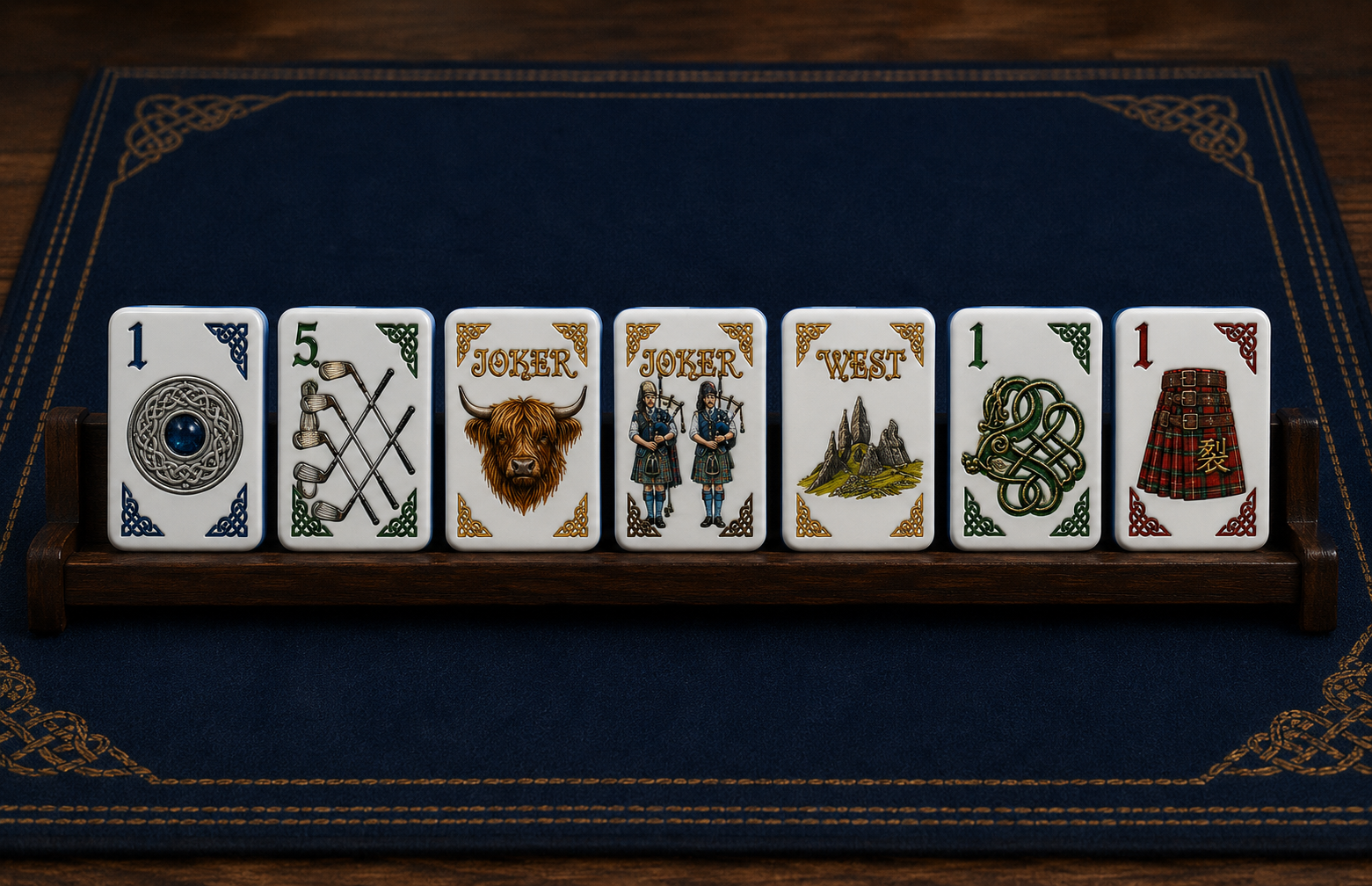 Image 1 of 9
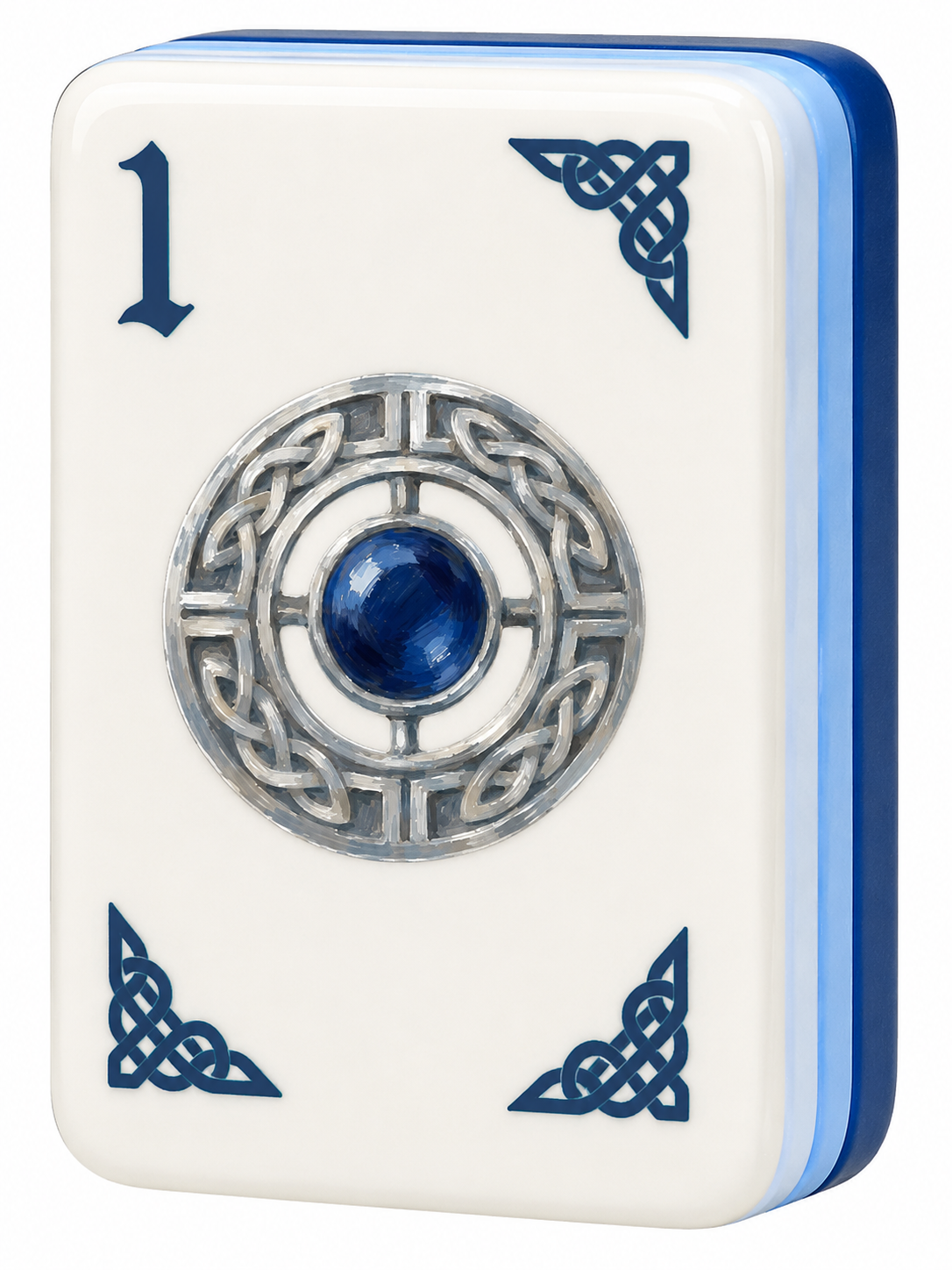 Image 2 of 9
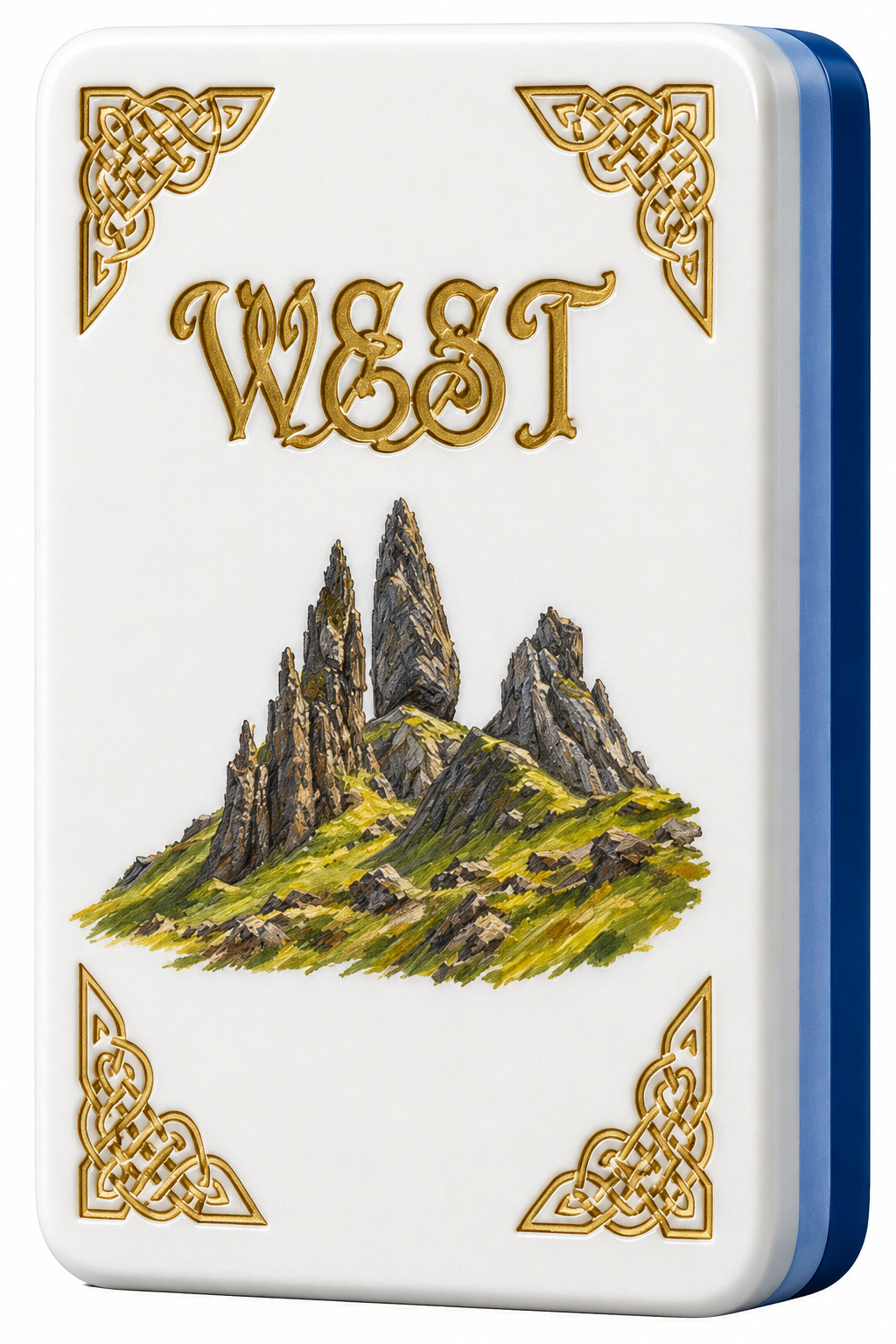 Image 3 of 9
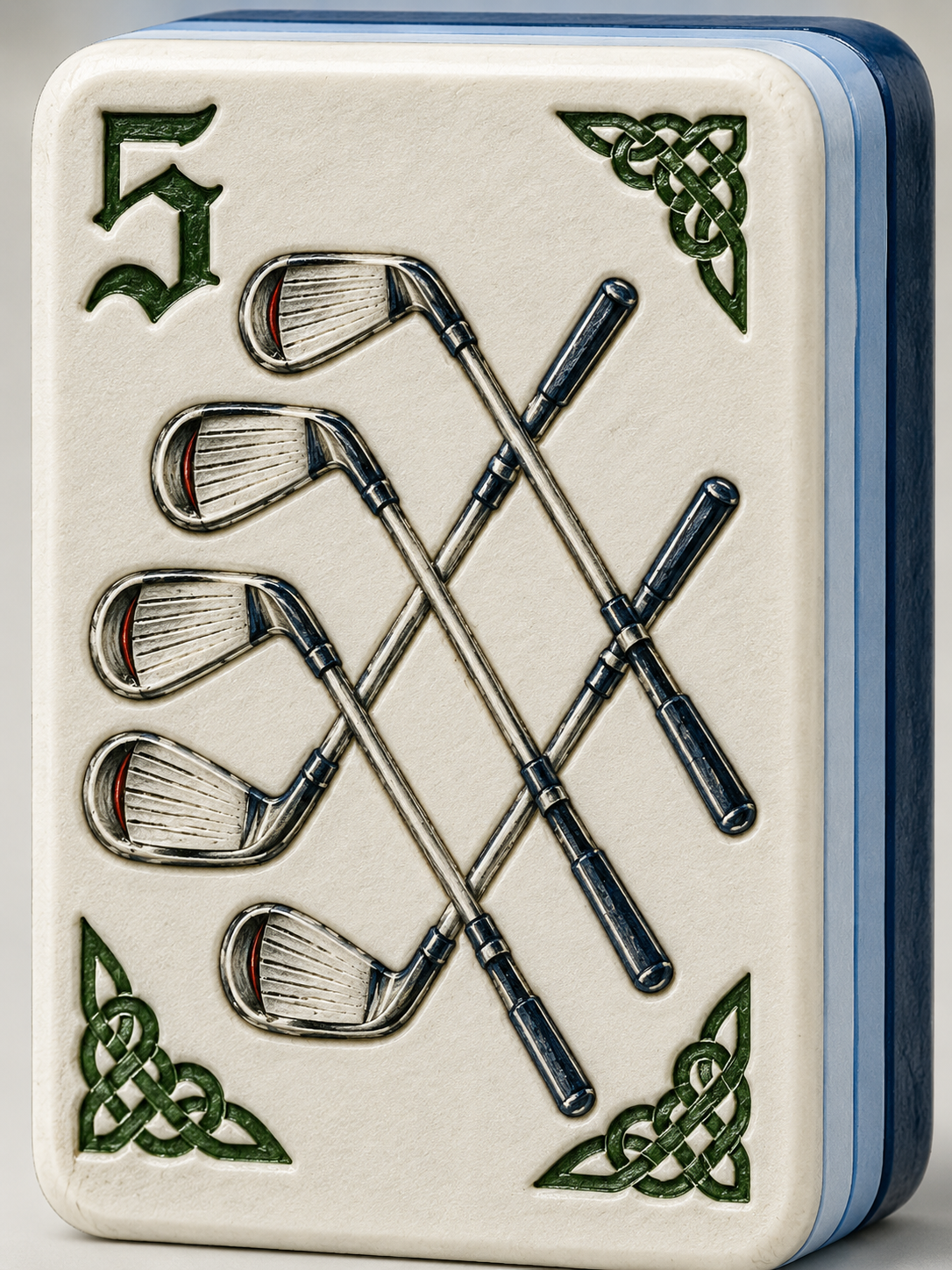 Image 4 of 9
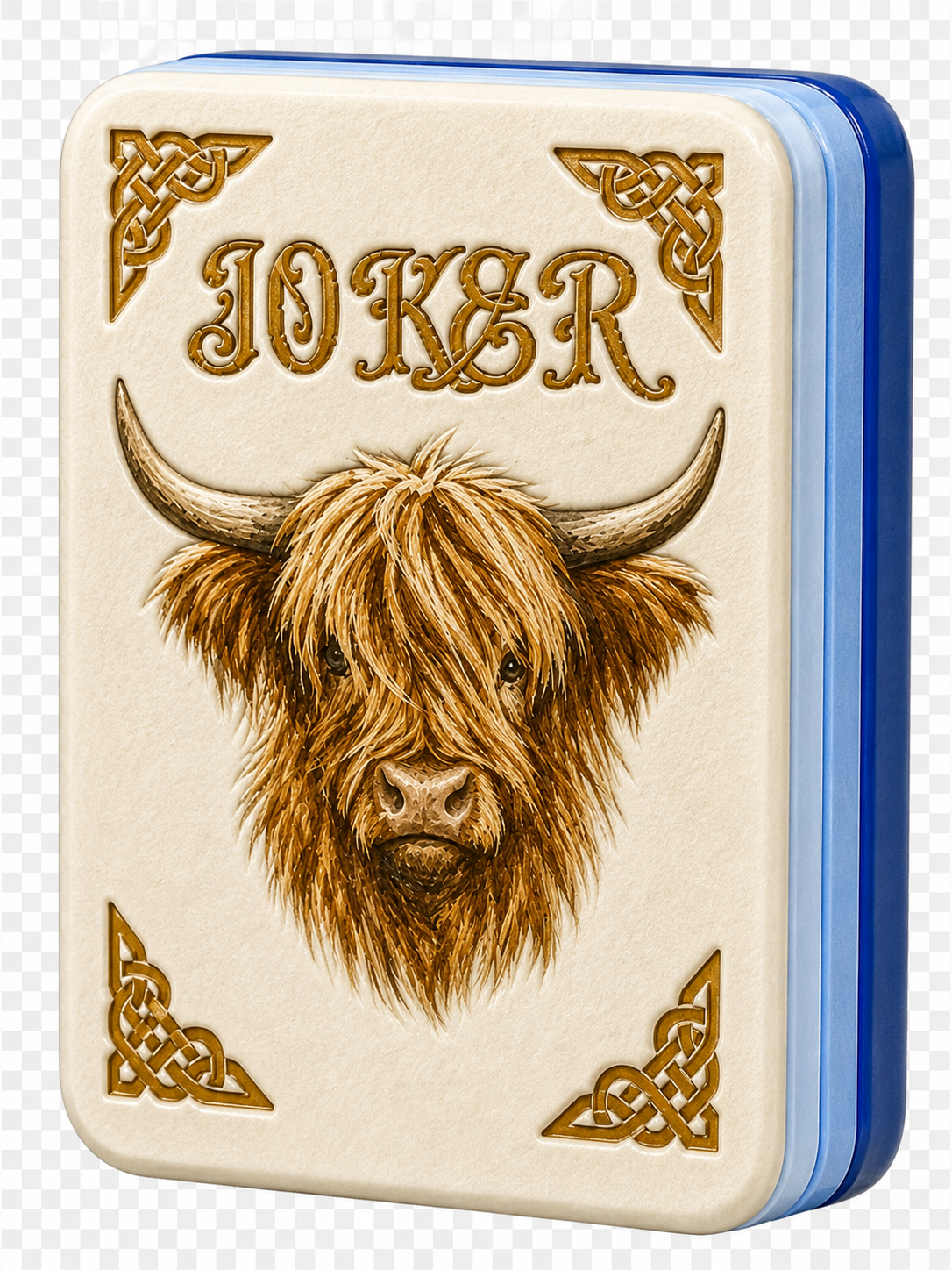 Image 5 of 9
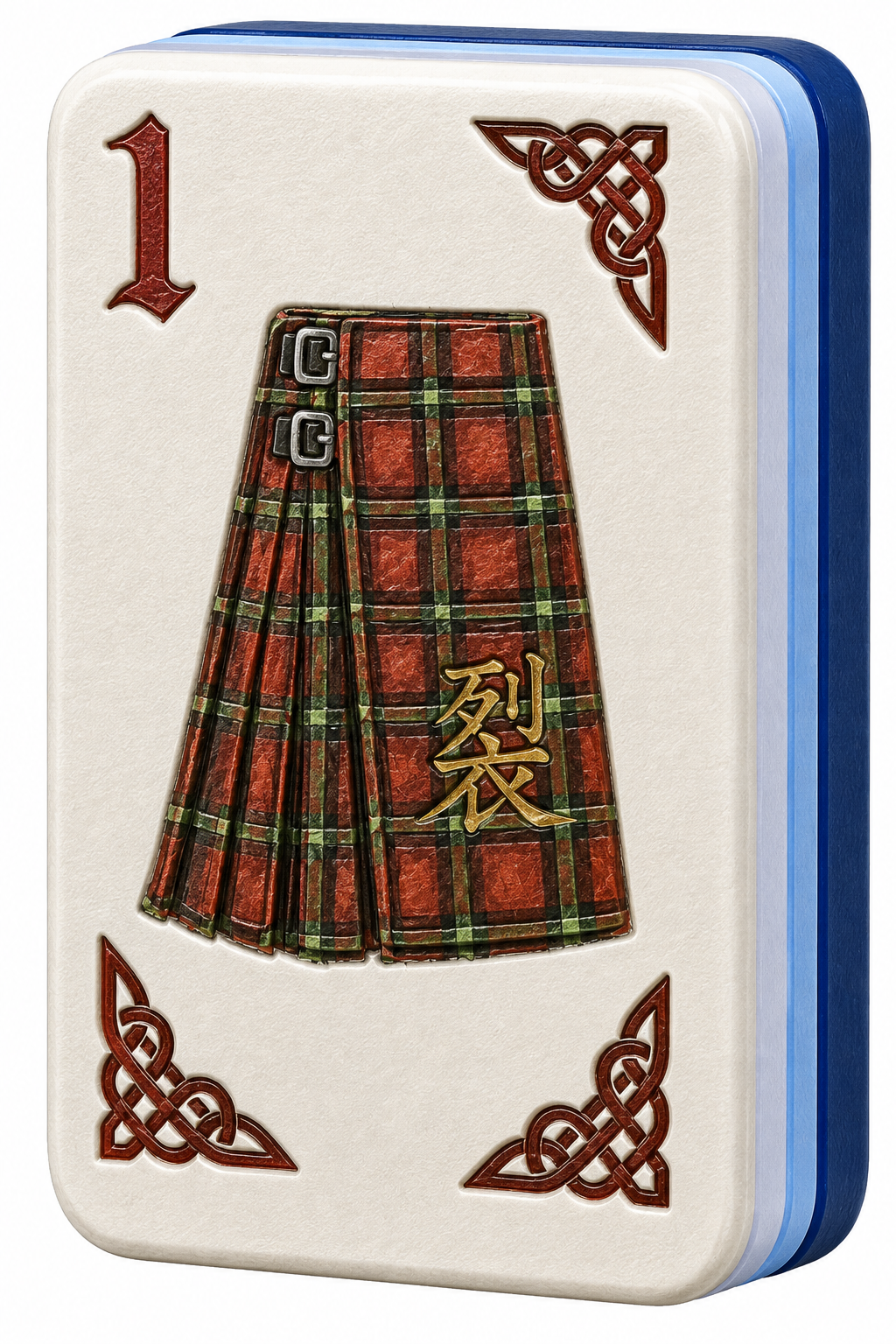 Image 6 of 9
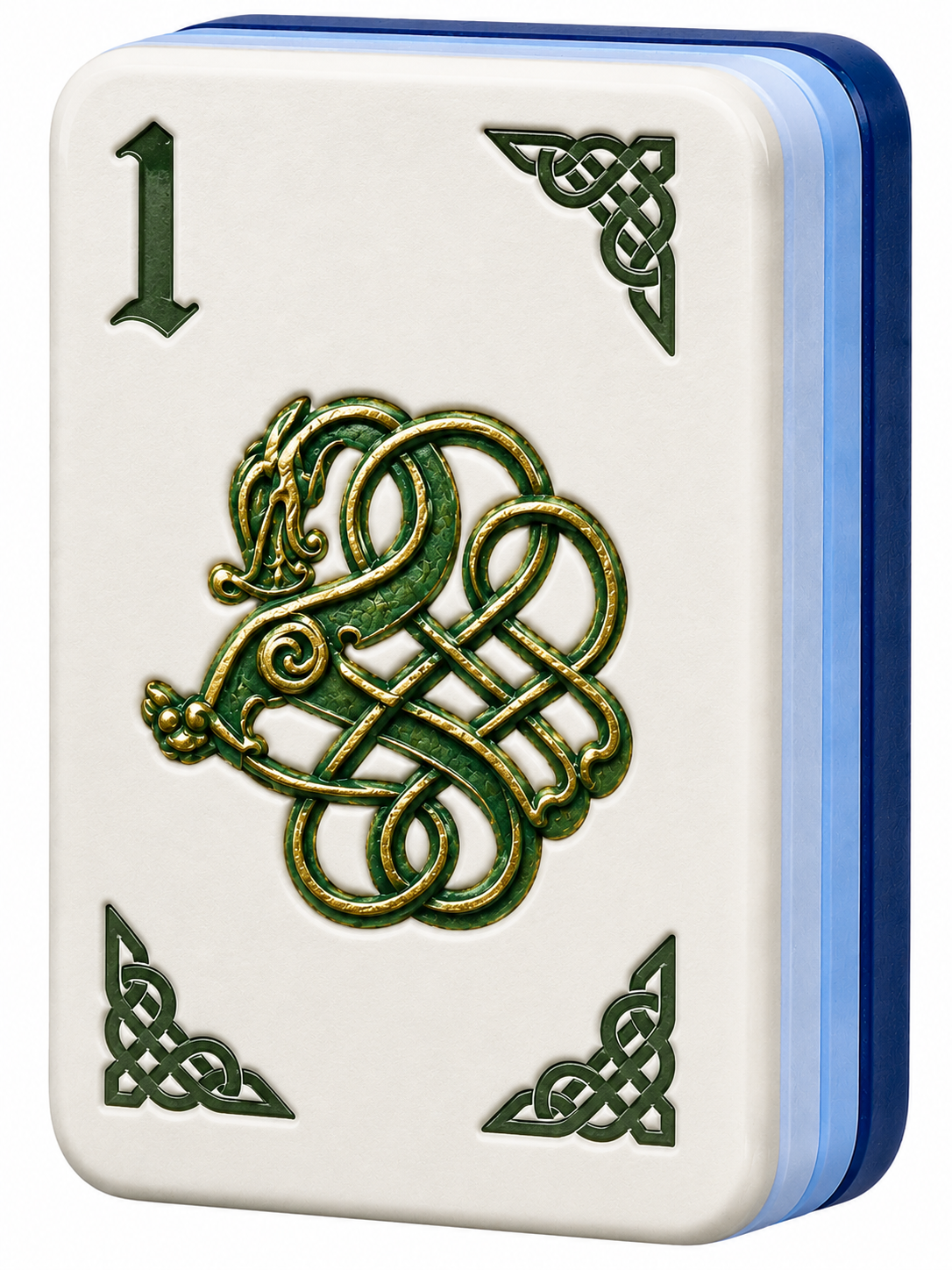 Image 7 of 9
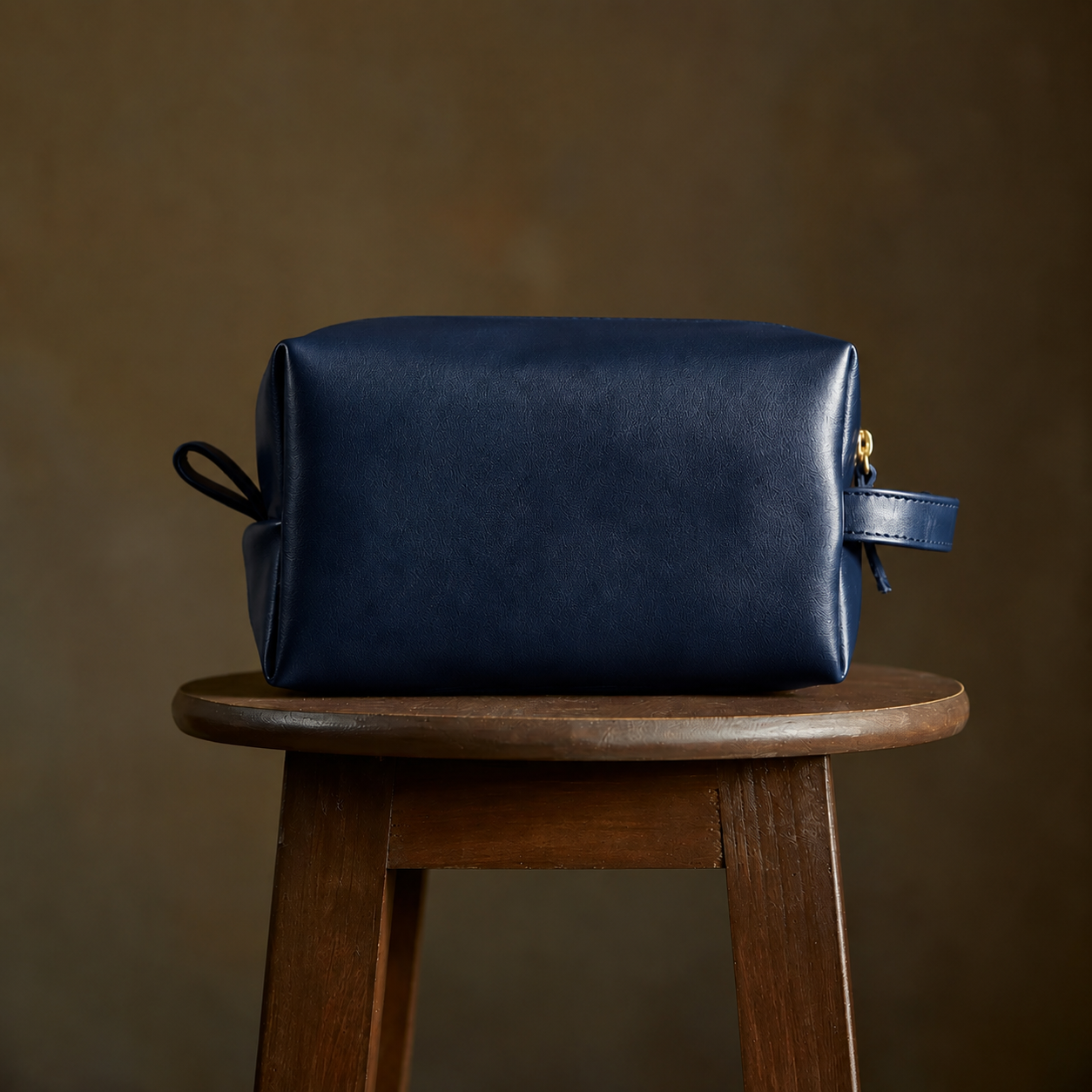 Image 8 of 9
 Image 9 of 9